Long Island Residential Spray Foam Insulation
Open- and closed-cell systems that seal the building envelope, boost R-value, and cut energy waste.
What is Open/Closed Cell Spray Foam?
Premium open- and closed-cell spray foam insulation services across Long Island and Central Islip. Achieve strict New York State energy code R-values and maximize energy efficiency with a complete, expanding thermal and moisture barrier.
Understand the difference between spray foam types
See how the foam structure is different
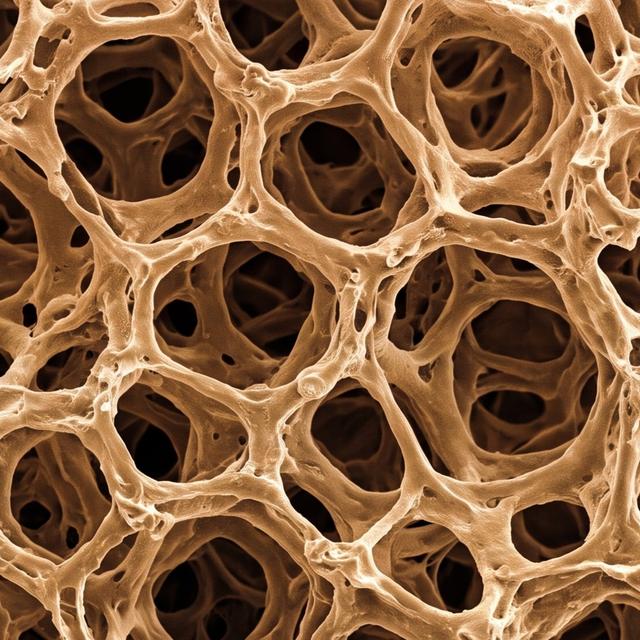
Soft, vapor-permeable foam with connected cells. Lower R-value per inch, strong sound control, and flexible expansion for deep interior cavities.
- Cost-EffectiveDelivers dependable, budget-friendly thermal insulation (R-3.6- R-3.8 per inch)
- SoundproofingSoft, Sponge-like texture highly effectively deadens noise between rooms.
- Flexible ExpansionFills deep cavities and micro-gaps to block drafts while remaining vapor-permeable
- Ideal LocationInterior walls, bedrooms, between-floor sound deadening
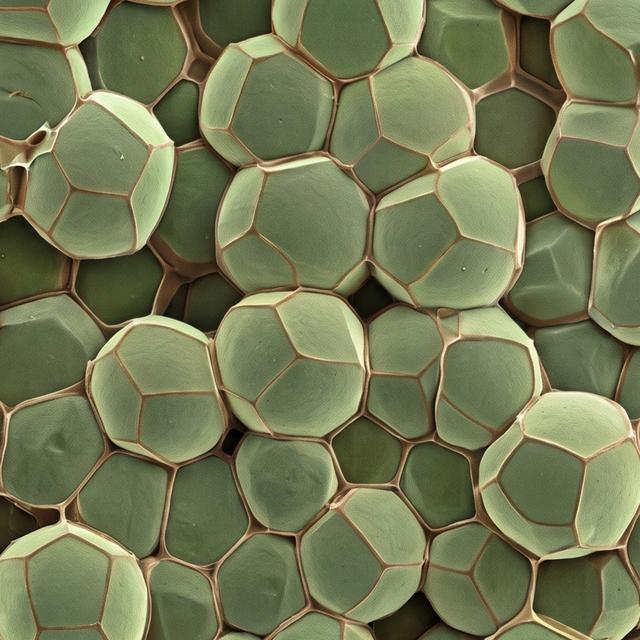
Dense, rigid foam with sealed cells. Higher R-value per inch, moisture resistance, and structural stiffness for roofs, basements, and exterior walls.
- Maximum R-ValueDelivers R-6.0 to R-7.0 per inch of superior insulation in tight spaces.
- Moisture BarrierCreate an impermeable shield that prevents mold and wood rot
- Structural StrengthCures rigidly to boost roof wind resistance by up to 300%
- Ideal LocationRoof decks, unvented attics, basements, and exterior walls
Which foam you want
Match the foam to the job.
Use this as a starting point. We confirm open-cell, closed-cell, or a mix once we see the assemblies on site.
Open-cell
 Open-cell
Interior walls, bedrooms, between floors
Open-cell softens noise and fills deep cavities without overbuilding thickness.
 Open-cell
Budget-first interior cavities with room for depth
Open-cell costs less per inch and still air-seals when you can spray thicker.
Closed-cell
 Closed-cell
Exterior wall cavities needing moisture control
Closed-cell raises R-value fast and acts as a moisture barrier in the shell.
 Closed-cell
Rim joists and drafty perimeter gaps
Closed-cell air-seals tight cavities where batts leave cold spots and leaks.
 Closed-cell
Roof decks and unvented attics
Closed-cell packs higher R-value per inch and adds rigid strength at the roof.
 Closed-cell
Basements and below-grade walls
Closed-cell resists moisture and helps keep dampness out of the assembly.
Many Long Island jobs use both types in different assemblies. We match foam to the cavity on site so you get the right performance where it matters.
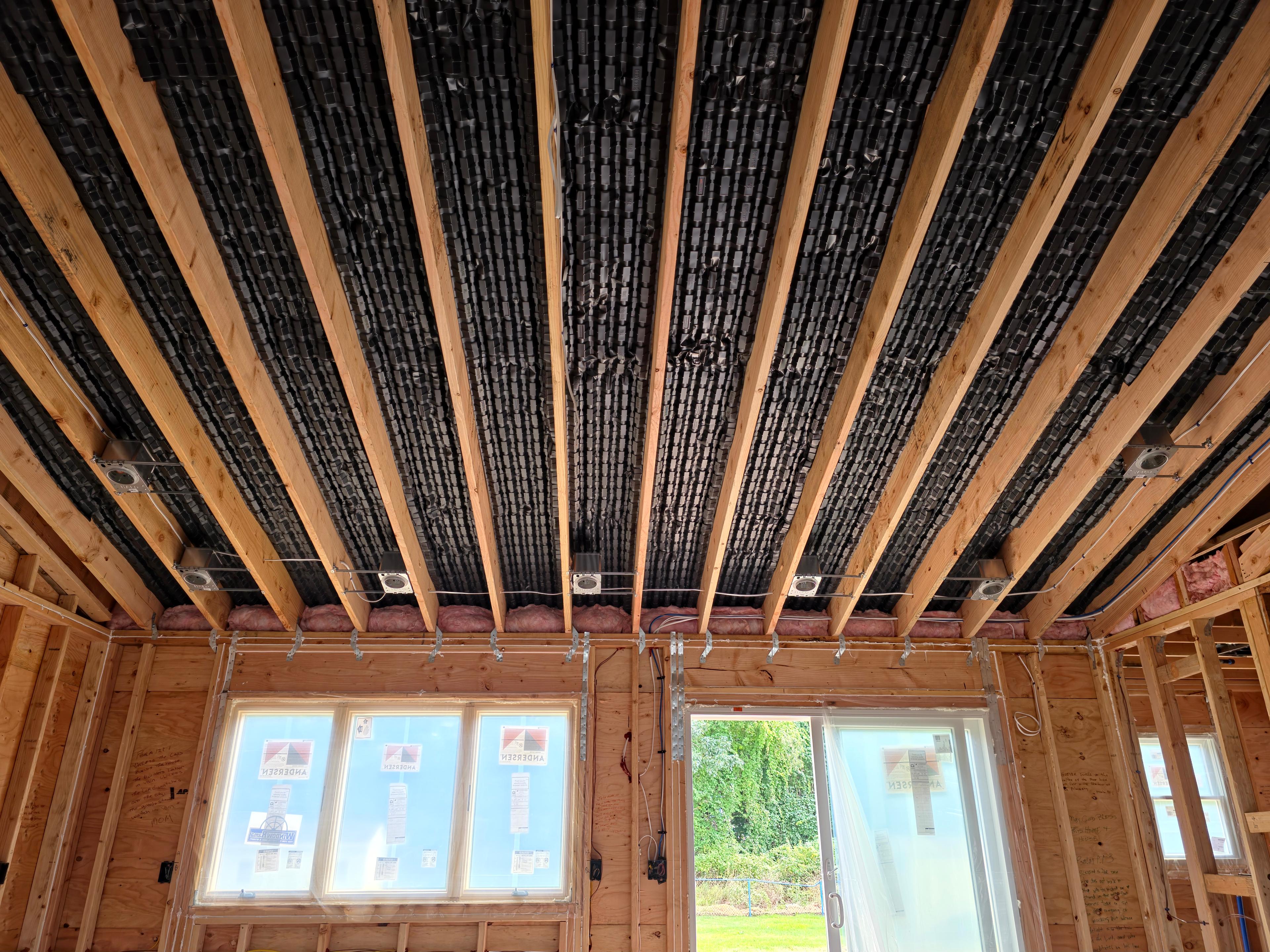
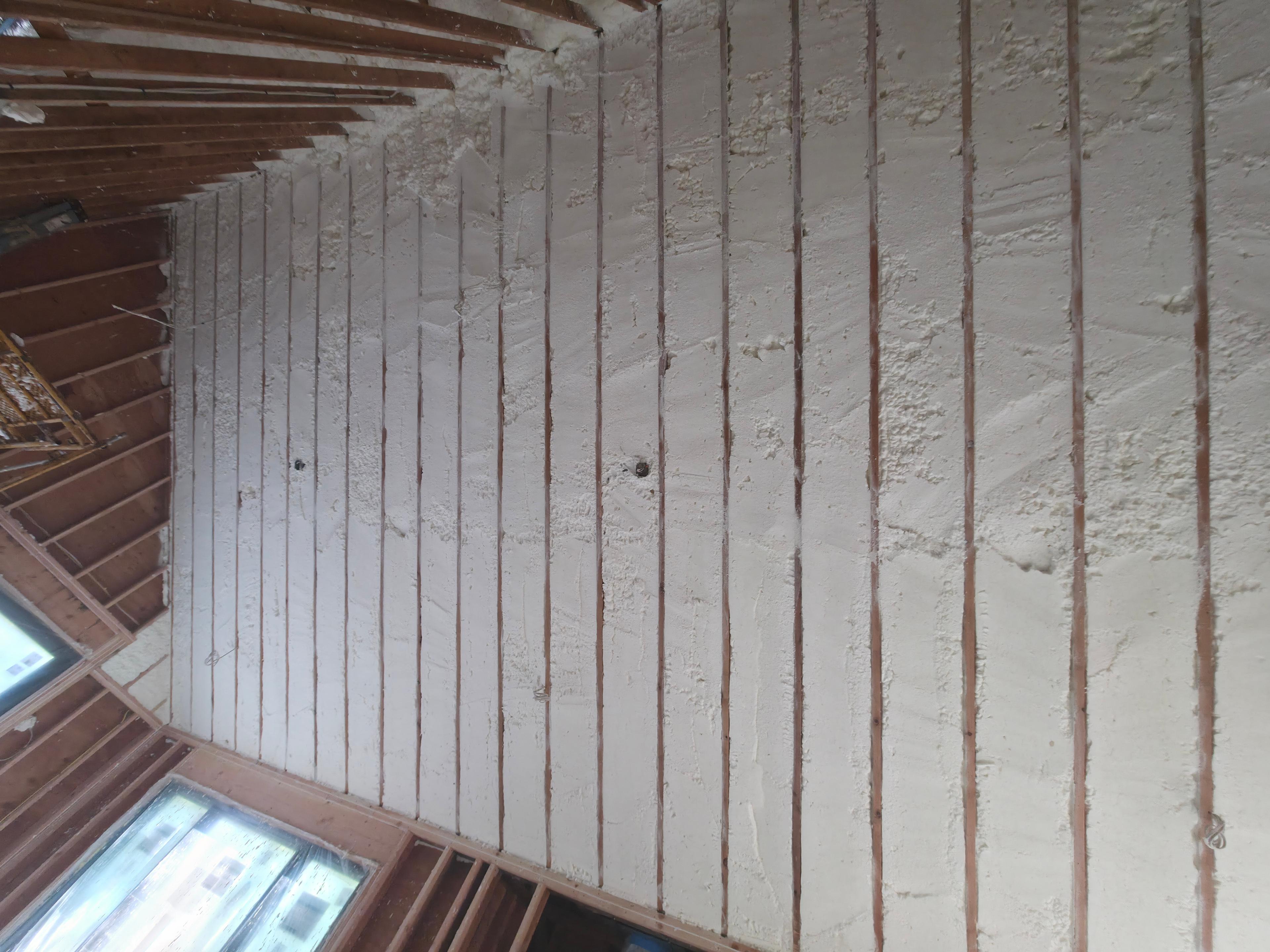
Before and after
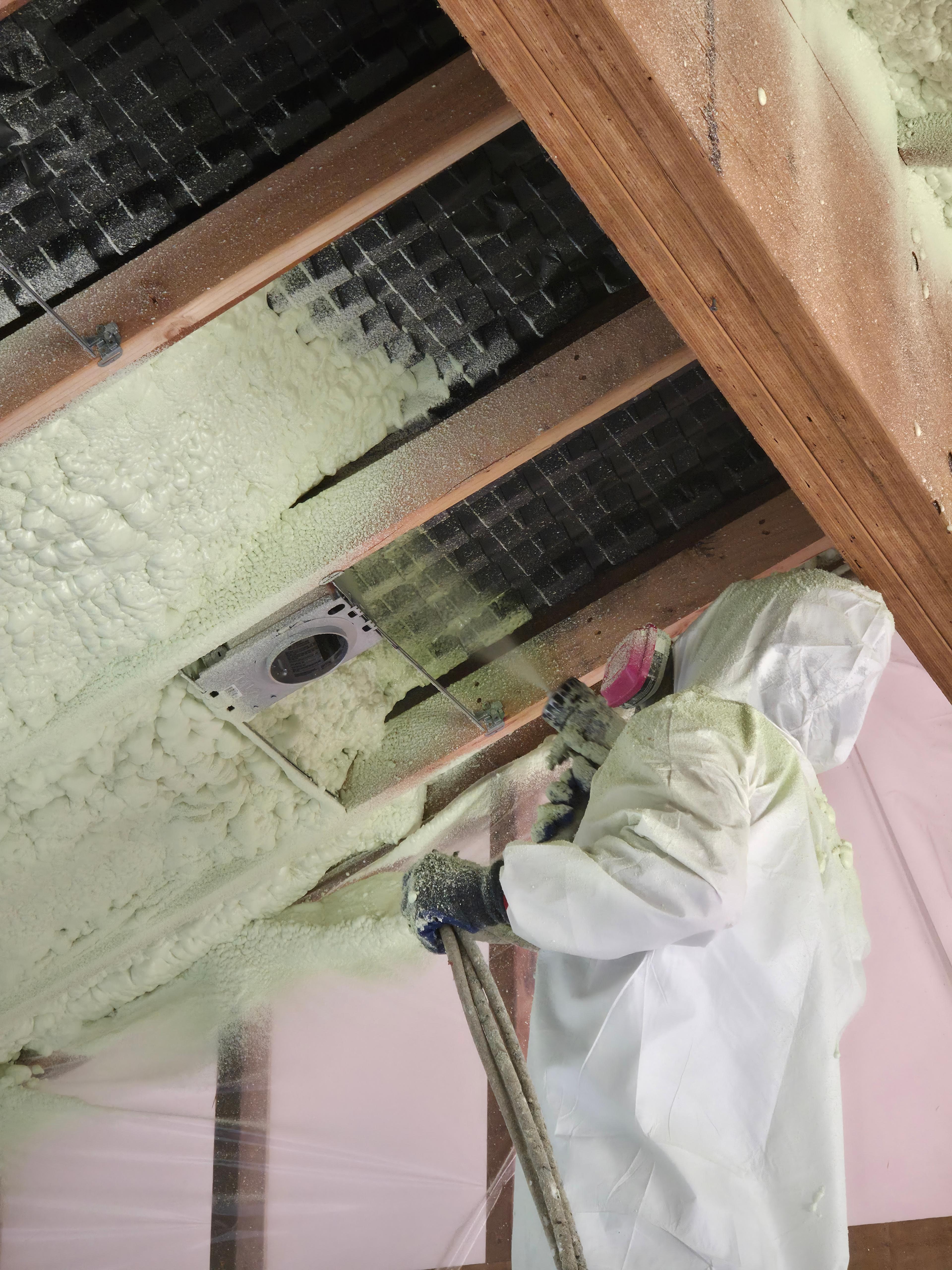
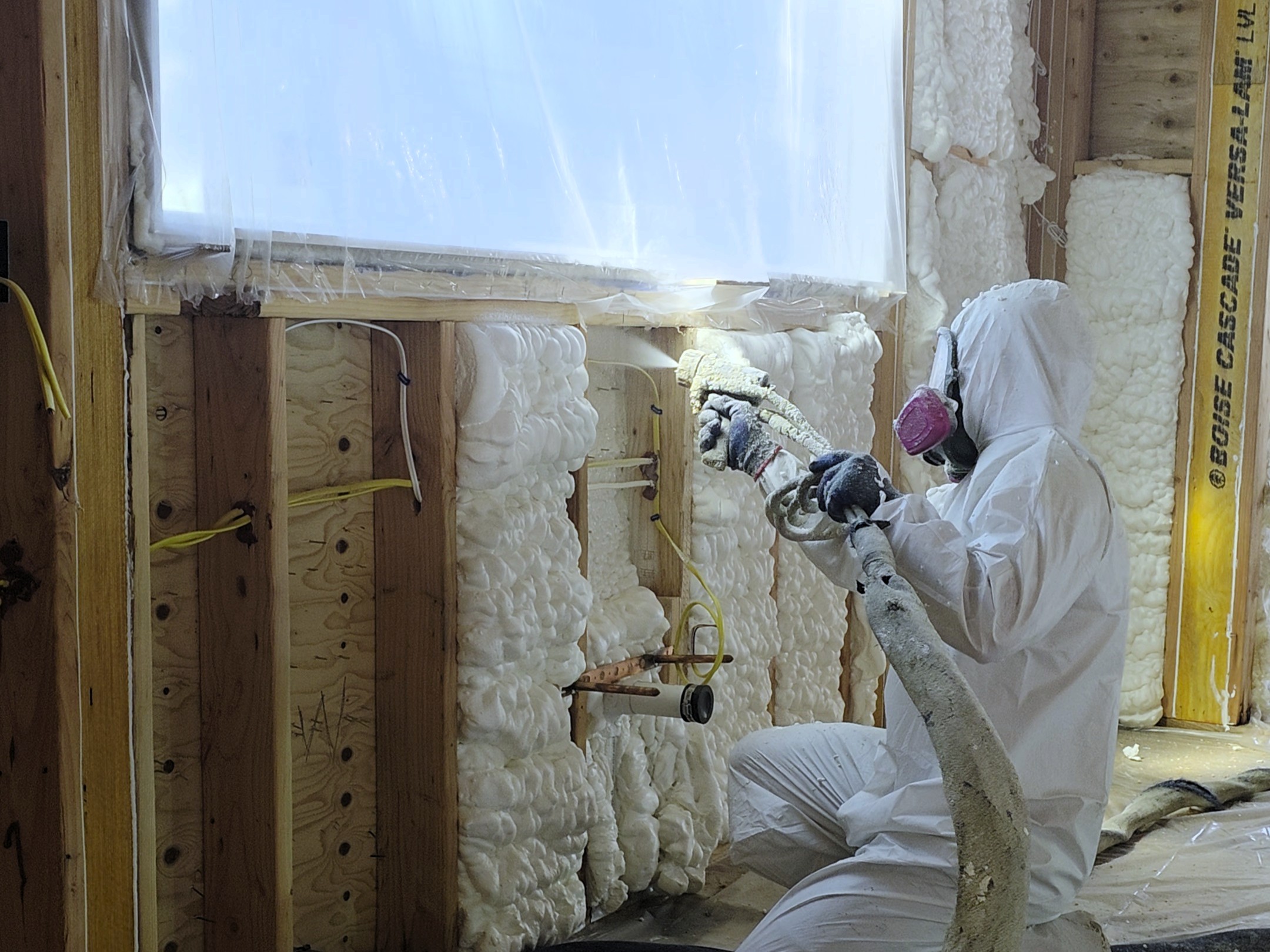
Closed-cell roof deck, sealed in place.
Drag the slider to see bare framing turn into a continuous insulated shell.
After installation
Essential HVAC tips after spray foam.
Once spray foam seals the building envelope, the home needs planned fresh air and right-sized HVAC equipment.
Re-evaluate system sizing (load calculation)
Spray foam drastically reduces heat gain and loss, so an existing HVAC unit can end up oversized. That often means short-cycling and weaker humidity control. A fresh load calculation confirms whether the equipment still fits the tighter home.
Install mechanical ventilation
Spray foam creates an airtight building envelope, so natural air infiltration largely stops. An Energy Recovery Ventilator (ERV) or Heat Recovery Ventilator (HRV) brings in fresh outdoor air without giving up the efficiency you just gained.
Manage indoor humidity
Tightly sealed homes trap moisture from showers and cooking. A whole-house dehumidifier can help, especially with a single-stage cooling system that does not run long enough to pull moisture from the air.
Check combustion air supply
If your furnace or water heater is a traditional atmospheric-draft (about 80% efficiency) model in an encapsulated attic or basement, it may lack adequate combustion air. Prefer sealed-combustion (90%+ power-vent) appliances, or add dedicated outdoor air ducts for combustion.
Inspect ductwork placement
When HVAC ducts sit inside the conditioned thermal envelope, like an unvented foam-insulated attic, they run in a more temperate zone and efficiency improves. Joints should still be sealed so conditioned air does not leak into the assembly.
More Services
Explore our other services
From insulation to waterproofing, KC Insulation Corp handles every phase with the same disciplined standard.
FAQ
Common questions about spray foam.
Spray foam is a liquid polyurethane that expands on contact, filling cavities, seams, and gaps. It insulates and air-seals in one application, which is why it outperforms batt products on Long Island homes with lots of leaks and thermal bridging.
Don't wait! Get a free estimate. Secure your spot today.
We want to make the process as easy as possible for you. Contact us today to get a free estimate.